

The dream of owning a stylish, functional home used to involve months of grueling construction, endless stacks of red bricks, and a mountain of concrete dust. But step aside traditional housing, because a colorful, industrial-chic competitor is taking the modern real estate scene by storm. Welcome to the era of portable container homes—where durability meets modern aesthetics in a box.
Across major urban centers and picturesque rural escapes, repurposed shipping containers are shedding their cargo-carrying pasts to become sleek, eco-friendly living spaces. What once sailed across international waters carrying freight is now hosting cozy living rooms, state-of-the-art kitchens, and breezy outdoor decks. It is housing reimagined for a generation that values flexibility, style, and sustainability.
Whether you are an aspiring homeowner looking for an affordable entry into the property market or an entrepreneur aiming to build a trendy pop-up villa, shipping container architecture offers a breath of fresh air. It is fast, customizable, and surprisingly cozy—turning the traditional housing market completely on its head.
The Charm of Modular Innovation
At its core, a portable container home is built from heavy-duty Corten steel shipping containers, designed to withstand harsh maritime environments. This inherent strength makes them incredibly tough, resistant to severe weather, and structurally sound from day one. Instead of starting a build from absolute scratch, you begin with a solid, ready-made steel skeleton.
The real magic, however, lies in modularity. These steel units act like giant building blocks for adults. You can use a single 20-foot container for a minimalist tiny home, or stack and join multiple 40-foot units to craft a sprawling multi-story residence. The layout possibilities are limited only by your imagination and engineering logic.
Furthermore, mobility is a game-changer. Unlike concrete foundations that lock you into one location forever, a portable container home can theoretically be moved. If you decide to relocate your lifestyle or business to another town, your entire living space can be loaded onto a flatbed truck and transported to your next destination.
Why Indonesia Is Embracing the Container Trend
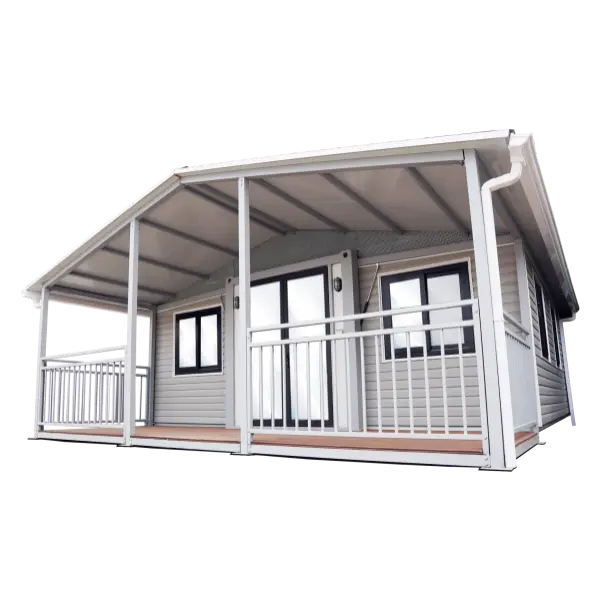
Indonesia's unique geographical and economic landscape makes portable container homes an exceptionally practical choice. With traditional construction prices steadily climbing and urban land becoming scarce, young professionals and small families are searching for smarter alternatives. Containers offer a high-end architectural feel without the jaw-dropping price tag of traditional builds.
Speed of construction is another major advantage driving this adoption. Building a conventional brick-and-mortar home can take anywhere from six months to over a year. In stark contrast, a fully customized container house can be modified off-site, insulated, fitted with plumbing, and installed on your land in a matter of weeks.
The hospitality sector in tourist hotspots like Bali, Yogyakarta, and Lombok has also jumped on board. Boutique eco-resorts, trendy cafes, and glamping sites are utilizing container structures to create visually striking spaces quickly. Their distinct industrial look draws social-media-savvy travelers, making them as profitable as they are stylish.
Debunking the Myths: Comfort inside a Steel Box
A common initial concern about living in a metal container is climate control. Sitting under the tropical sun in an uninsulated steel box sounds like a recipe for a sauna. However, modern engineering and clever design techniques fully eliminate this temperature problem.
Professionally built container homes utilize high-grade insulation materials such as spray foam, rockwool, or panel systems between the steel walls and interior drywall. Coupled with smart ventilation, reflective roof coatings, and large glass sliding doors, these homes stay cool and comfortable all day long.
Aesthetics are equally surprising once you step inside. Soft wooden finishes, bright drywall interiors, recessed LED lighting, and open-plan layouts completely mask the industrial origin. Unless you intentionally leave exposed corrugated steel walls for that rustic aesthetic, guests might not even realize they are standing inside a shipping container.
Eco-Friendly Living with a Low Carbon Footprint
Beyond convenience and aesthetics, container living carries a powerful environmental argument: upcycling. Millions of shipping containers sit idle in ports around the world after completing their cargo lifespans. Transforming these unused steel hulls into functional living spaces prevents scrap waste and saves tons of raw building materials.
Traditional construction requires vast amounts of sand, cement, wood, and water, generating significant site waste and carbon emissions. Container builds drastically reduce site impact because most fabrication occurs off-site in controlled workshop settings. This precision cuts down material waste significantly.
Additionally, these homes easily integrate green energy systems. Their sturdy flat roofs are ideal platforms for installing solar panels and rainwater harvesting setups. Combining energy-efficient insulation with solar power allows container homeowners to build off-grid sanctuaries with minimal operational costs.
Key Factors to Consider Before Buying
While container homes offer incredible flexibility, proper planning is essential to ensure a smooth build. Understanding site accessibility, foundation preparation, and local zoning regulations before purchasing your container will save you time and unneeded stress down the road.
Working with an experienced manufacturer or specialist vendor ensures structural modifications are safe. Cutting out large sections of steel for panoramic windows and doorways requires proper structural reinforcement to maintain structural integrity. Professional builders handle these calculations seamlessly so your home remains rock-solid for decades.
Finally, think about your long-term interior goals. Prioritize multifunctional furniture, smart storage solutions, and large glass openings to maximize natural light. With the right interior design, a compact footprint feels surprisingly spacious, airy, and welcoming for everyday life.
The Future of Housing Is Flexible
The rapid rise of portable container homes is more than just a passing architectural phase; it represents a fundamental shift in how we think about space, mobility, and shelter. As urbanization grows and lifestyle preferences evolve toward simplicity and flexibility, alternative housing will only continue to gain traction.
Portable container homes bridge the gap between affordability, rapid deployment, and modern design. They prove that stylish living does not require massive budgets or permanent footprints, offering a fresh path forward for modern homeowners across Indonesia.
Whether as a primary residence, a weekend getaway, or a unique commercial venue, container architecture stands tall as a testament to creative engineering. The future of living has arrived, and it comes neatly packed inside a steel box.